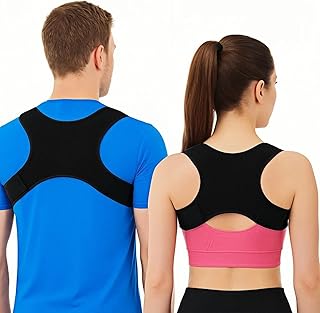
In today's digital age, poor posture has become an epidemic. Hours spent hunched over computers and smartphones lead to a cascade of problems: chronic neck pain, shoulder tension, upper and lower back discomfort, and the development of a noticeable hunchback or slouching. Fortunately, modern ergonomic solutions like posture correctors offer a practical and effective way to retrain your body and find relief. These devices are not just braces; they are tools for posture improvement and long-term pain management.
What is a Posture Corrector and How Does It Work?
A posture corrector is a wearable device designed to gently pull your shoulders back and align your spine into a healthier position. It acts as a constant, subtle reminder to sit or stand up straight. By providing external back support, it helps counteract the forward head posture and rounded shoulders that cause muscle strain. Over time, with consistent use, it can help strengthen the muscles responsible for good posture, making proper alignment feel more natural. For a deeper dive into the mechanics and benefits, check out this comprehensive Posture Corrector Guide on fixing hunchback naturally.
Key Benefits of Using a Posture Support Device
The advantages extend far beyond simply standing taller. Regular use of a quality back brace or shoulder straightener can lead to significant pain relief for the neck, shoulders, and upper/lower back. It reduces pressure on the spine and joints, potentially alleviating issues related to scoliosis and thoracic spine misalignment. Improved posture also enhances breathing capacity, increases energy levels, and can even boost confidence. Many models, like the Kepwaa Posture Corrector, are even FSA & HSA eligible, making them a smart investment in your health & wellness.
Top Posture Corrector Features to Look For
With so many options on the market, choosing the right one is crucial. Here are the essential features to consider:
Adjustability: A one-size-fits-all approach rarely works. Look for an adjustable posture brace with straps or closures that allow you to customize the level of support and tightness for your comfort and correction needs. The HLOES Posture Corrector is renowned for its excellent adjustability, as noted in this detailed HLOES review.
Comfort & Breathability: You're more likely to wear a device that feels good. Breathable mesh materials, like those used in the KNXWALT Posture Corrector, prevent overheating and skin irritation, ensuring it remains a comfortable posture aid even during extended wear.
Targeted Support: Identify your primary area of concern. Some braces focus on the upper back and shoulders for hunchback correction, while others, often called full back support braces, also provide lumbar support. The Upgraded Breathable Full Back Support model is a great example of comprehensive support.
Discreet Design: For all-day wear under clothing, an invisible posture aid is ideal. Products like the Fit Geno Invisilite are designed to be lightweight and undetectable under clothes, a feature highlighted in the Fit Geno Invisilite review.
Exploring Popular Posture Corrector Options
Let's look at a few highly-rated models that cater to different needs. The Vaunn® Back Correction Belt is praised for being an adjustable, lightweight upper back brace that's effective for both men and women seeking slouching correction. For those wanting a focused back brace for women with specific sizing, the Fit Geno Posture Corrector for Women offers a tailored fit, which you can learn more about in its dedicated product review.
If maximum comfort is your priority, the UltraSupport+ Posture Corrector lives up to its name. For a stylish option that doesn't compromise on function, the WNIEYO Back Brace in Pink provides effective shoulder straightening, a claim explored in the WNIEYO review. Finally, the Adjustable Upper Posture Support brace is an excellent choice for providing targeted clavicle support and neck pain relief.
How to Integrate a Posture Corrector into Your Routine
Start slowly. Begin by wearing your posture support device for 15-30 minutes a day, gradually increasing the duration as your muscles adapt. It's most effective when used during activities that typically lead to slouching, like working at a desk or driving. Remember, a corrector is an aid, not a cure. Combine its use with strengthening exercises for your core and back muscles, and be mindful of your posture throughout the day. For a complete usage guide, refer to this resource on Posture Corrector benefits and how to use them.
Investing in a quality posture corrector can be a transformative step toward a pain-free, more confident you. By understanding the types, features, and top products available—from the breathable design of KNXWALT to the invisible comfort of Fit Geno—you can make an informed choice that supports your journey to better ergonomics and spinal health. For a final overview of all your options, the Ultimate Guide to Posture Correctors is an invaluable resource.